
Fundament Ratgeber
Inhaltsverzeichnis
Gartenhaus Fundamente
Ein Gartenhaus oder Saunahaus braucht eine solide Basis, denn ein tragfähiges Fundament ist maßgebend für die Stabilität und Haltbarkeit des gesamten Baus. Nur in Ausnahmefällen
– speziell bei besonders kleinen Garten- oder Saunahäusern aus witterungsfestem Material
– kann es ausreichen, den Boden lediglich zu verdichten und zu ebnen.
Für ein Gartenhaus oder Saunahaus aus Holz hingegen ist es immer sinnvoll und sogar erforderlich, ein adäquates Fundament zu legen. Denn hat das Holz direkten Kontakt zur Erde, kann es faulen. Erfahre im folgenden Ratgeber mehr über die verschiedenen Fundamentarten und was bei ihrem Bau zu beachten ist.
Fundament für das Gartenhaus oder Saunahaus selber bauen?
Ein Fundament für Dein neues Gartenhaus oder Saunahaus aus Holz kannst Du mit handwerklichem Geschick und Körpereinsatz problemlos selbst bauen. Wir geben Dir in diesem Guide einen allgemeinen Überblick über den Aufbau der einzelnen Fundamentarten. Falls Du konkrete Fragen hast, Hilfe bei speziellen Problemen benötigst oder eine individuelle Beratung wünschst, ist ein Fachmann die richtige Anlaufstelle.
Welche Fundamente sind für Gartenhäuser/Saunahäuser möglich?
Plattenfundament
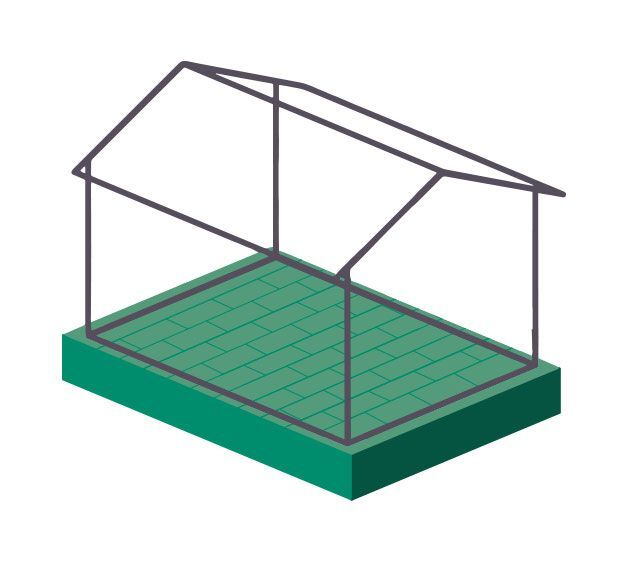
Ein Plattenfundament ist eine besonders einfache Methode, um eine solide Basis für ein Gartenhaus oder Saunahaus im Freien zu schaffen. Es eignet sich besonders für kleine Modelle mit geringem Gewicht.
So funktioniert’s:
- Hebe am geplanten Standort zunächst die Gesamtfläche des Gartenhauses/Saunahauses zuzüglich 10 cm aus, mit einer Tiefe von etwa 25 cm.
- Fülle das ausgehobene Loch anschließend auf – zunächst mit einem Kiesbett von etwa 10 cm Höhe und dann mit einer dünnen Sandschicht.
- Verlege die Pflastersteine. Ob diese korrekt ausgerichtet sind, kannst Du mithilfe einer Wasserwaage überprüfen. Fülle eventuelle Fugen mit Sand auf.
- Lege an den Rändern des Fundamentlochs eine Mörtelstütze an, falls das Erdreich locker ist. So kannst Du das Plattenfundament zuverlässig stabilisieren.
Bodenplatte aus Beton
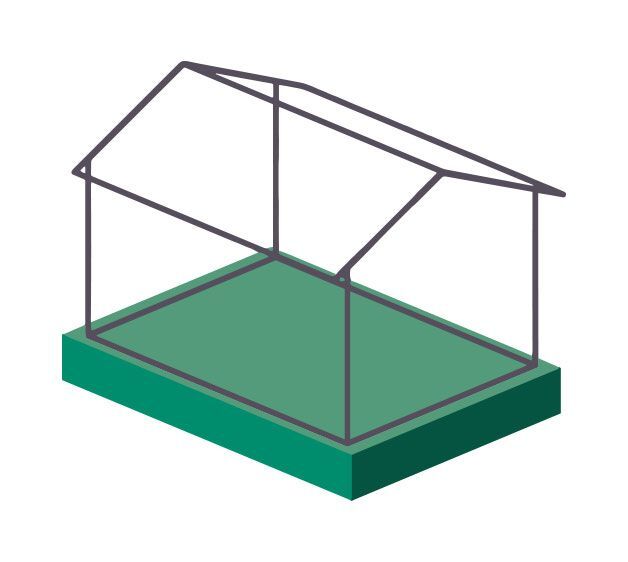
Ist der Untergrund am Standort sehr weich oder hat das Garten- beziehungsweise Saunahaus eine stattliche Größe, solltest Du auf ein besonders stabiles Fundament aus Beton setzen. Die Last des Baus verteilt sich in diesem Fall gleichmäßig über die gesamte Bodenplatte aus Beton.
Die Arbeitsschritte im Detail:
- Hebe die Fläche des Baus bis zu einer Tiefe von mindestens 80 cm aus. So ist ein adäquater Frostschutz gegeben. Wichtig: Rechne an allen Seiten der Fläche noch 10 cm für die Schalung der Platte hinzu.
- Errichte die Schalung, indem Du stabile Holzbretter an die Wände des Fundamentlochs legst. Ob die Bretter richtig ausgerichtet sind, kannst Du mit einer Wasserwaage überprüfen.
- Gieße nun eine Sauberkeitsschicht aus Mauerbeton (C8/10) mit einer Höhe von 5 bis 10 cm. Alternativ kannst Du auch eine etwa 15 cm dicke Schicht aus Kies oder Sand einlassen.
- Verlege eine Trennlage, beispielsweise aus PE-Folie.
- Lege nun die Bewehrungsmatten ein, um Risse im Beton vorzubeugen.
- Trage etwa 15 cm Beton auf und ziehe die Masse mit einer Glättscheibe waagerecht ab.
- Tipp: Denke daran, den Beton vor dem Abziehen zu verdichten. Nur so ist eine optimale Stabilität der Bodenplatte gewährleistet.
Streifenfundament

Eine etwas arbeitsaufwendigere Alternative zu den zuvor genannten Fundamentarten für Gartenhäuser und Saunahäuser ist das Streifenfundament. Bei dieser Variante werden nur stellenweise Streifen aus Beton gegossen, die jeweils unter den Wänden des späteren Baus liegen.
Entsprechend dünner ist die Bodenplatte auf der Gesamtfläche des Hauses, für die eine Dicke von zehn cm ausreicht. Bei einem Streifenfundament verteilt sich die Last des Gartenhauses oder Saunahauses somit punktuell und nicht auf die gesamte Fläche, wie es bei der Fundamentplatte der Fall ist.
So baust Du das Fundament:
- Stecke die Gesamtfläche des Gartenhauses oder Saunahauses mit einem Rand von 10 bis 15 cm ab. Trage die gesamte Fläche um etwa 20 cm ab.
- Hebe nun das Erdreich für die Fundamentstreifen aus. Grabe hierbei bis zu einer Tiefe von mindestens 80 cm, damit ein ausreichender Frostschutz gegeben ist.
- Fülle nach dem Aushub eine Sauberkeitsschicht aus Mauerbeton von 15 bis 20 cm in die Löcher ein.
- Falls der Boden besonders weich ist, solltest Du die Wände der Fundamentlöcher verschalen.
- Lege eine PE-Folie aus, um die Sauberkeitsschicht vom anschließend folgenden Beton zu trennen.
- Setze die Bewehrungsmatten ein und gieße die Fundamentstreifen sowie die zuvor ausgehobene Grundfläche des Gartenhauses oder Saunahauses mit Beton aus. Verdichte die Masse, ziehe sie mit einem Richtscheit glatt und fertig!
Das Pool Fundament
Ein Pool aus Holz für den Garten benötigt ebenfalls eine solide Basis, denn ein tragfähiges Fundament ist ausschlaggebend für die Stabilität und Haltbarkeit des Pools. Für unsere Modelle reicht es aus, den Boden zu ebnen und zu verdichten.
Für den Innenbereich des Pools empfiehlt es sich unter dem Pool, eine dünne Sandschicht von circa 1 bis 2 cm zu legen. Dies bietet ein angenehmeres Gehgefühl im Wasser und schützt zudem die Poolfolie auf dem Boden des Wasserbeckens.
Fundament für den Karibu Pool selber bauen?
Ein Fundament für Deinen Gartenpool kannst Du mit etwas handwerklichem Know-how und der richtigen Vorgehensweise leicht selbst bauen. Wir geben Dir in diesem Ratgeber einen groben Überblick über den Aufbau der einzelnen Fundamentarten. Antworten auf konkrete Fragen, Hilfe bei Problemen und eine umfassende Beratung erhältst Du hingegen beim Fachmann.
Welche Fundamente sind für Pools möglich?
Verdichteter Untergrund
Für den Karibu Pool reicht es aus, den Boden zu ebnen und zu verdichten. Unter dem Pool sollte eine dünne Sandschicht von circa 1 bis 2 cm aufgeschüttet werden, damit es sich später im Wasser auf der Poolfolie angenehm läuft. Dies mindert auch den Beanspruchungsgrad der Poolfolie.
So funktioniert’s:
- Hebe die Fläche des Pools etwa 25 cm tief aus.
- Fülle das Loch mit einem Schotterbett von etwa 15 cm und dann mit einer Kiesschicht von circa 5 bis 10 cm.
- Schütte nun eine dünne Schicht Sand von circa 1 bis 2 cm auf.
- Verdichte die gesamte Fläche abschließend gründlich mit einem Rüttler – und fertig!
Plattenfundament

Ein Plattenfundament ist ebenfalls eine besonders einfach zu errichtende, aber äußerst solide Basis für Deinen neuen Pool im Garten. Erfahre hier, wie Du es errichtest.
So funktioniert’s:
- Hebe die Fläche des Pools zuzüglich 10 cm aus, halte dabei eine Tiefe von etwa 25 cm ein.
- Fülle zunächst ein Kiesbett mit einer Höhe von circa 10 cm und anschließend eine dünne Sandschicht in das Loch ein.
- Verlege nun die Pflastersteine für das Plattenfundament. Prüfe mithilfe einer Wasserwaage, ob die Steine gerade ausgerichtet sind.
- Fülle die Fugen zwischen den Pflastersteinen mit Sand, um sie zu verschließen. Eine Mörtelstütze an den Rändern des Fundaments kann bei lockerem Untergrund helfen, das Plattenfundament zu stabilisieren.
Bodenplatte aus Beton

Ist der Untergrund im Garten sehr weich oder handelt es sich um einen großen Pool, ist eine Bodenplatte aus Beton die ideale Wahl. In diesem Fall verteilt sich das Gesamtgewicht des Baus gleichmäßig auf die Fläche, was für eine höchstmögliche Stabilität sorgt.
So funktioniert’s:
- Hebe die Fläche des Gartenpools aus, zuzüglich 10 cm an allen Seiten für die Schalung der Platte. Grabe bis zu einer Tiefe von mindestens 80 cm, damit der Beton vor Frost geschützt ist.
- Setze die Holzbretter-Schalung in das Loch ein und prüfe mit einer Wasserwaage, ob sie korrekt ausgerichtet ist.
- Gieße eine Sauberkeitsschicht aus Mauerbeton (C8/10) von 5 bis 10 cm in das Loch ein. Als Alternative kannst Du auch eine etwa 15 cm dicke Schicht aus Kies oder Sand in das Loch füllen.
- Lege nun eine geeignete Trennlage auf der gesamten Fläche aus, beispielsweise eine PE-Folie.
- Platziere jetzt die Bewehrungsmatten, um späteren Rissen im Beton vorzubeugen.
- Gieße den Beton etwa 15 cm dick auf und ziehe ihn mit einer Glättscheibe waagerecht ab.
- Tipp: Verdichte die Betonmasse gewissenhaft, um eine höchstmögliche Stabilität und Haltbarkeit sicherzustellen.
Das Carport Fundament
Ein Carport aus Holz benötigt ein angemessenes Fundament, denn eine tragfähige Basis ist unverzichtbar für eine maximal mögliche Stabilität und Haltbarkeit des PKW-Unterstands. Für Dein neues Karibu Carport kommt nur eine Fundamentart in Frage: Ein Punktfundamt mit H-Ankern!
Fundament für den Karibu Carport selber bauen?
Ein Fundament für Dein Carport kannst Du mit etwas handwerklichem Geschick selbst anlegen, sofern Du die richtige Vorgehensweise kennst. Im Folgenden geben wir Dir allgemeine Hinweise und Tipps zum Punktundament für einen Carport. Konkrete Hilfestellungen bei speziellen Fragen sowie eine ausführliche Beratung erhältst Du hingegen bei einem Fachmann.
Welche Fundamente sind für Carports möglich?
Punktfundament

Das Punktfundament ist die einzig richtige Wahl für Deinen Karibu Carport. Wir empfehlen Dir, das Fundament erst unmittelbar vor dem Aufbau Deines neuen Carports zu errichten. Wie dies genau gelingt und was dabei zu beachten ist, verraten wir Dir in unserer detaillierten Aufbauanleitung für ein H-Anker Punktfundament.
Das Kinderspielturm Fundament
Ein Karibu Kinderspiel oder Stelzenhaus aus Holz benötigt einen tragfähigen Untergrund, denn nur so steht der Bau dauerhaft sicher und stabil. Für unsere Kinderspielgeräte bieten wir daher die Schaukelanker an, die Sie auch für einen Spielturm aus unserem Sortiment verwenden können. Alternativ ist für die Spieltürme auch ein Punktfundament mit H-Ankern geeignet.
Welche Bodenanker gibt es? Die verschiedenen Typen erklärt
Schaukelanker sollten aus robustem und rostfreiem Material bestehen, wie beispielsweise aus verzinktem Stahl. So ist auch auf lange Sicht eine maximale Stabilität gewährleistet. Je nach Aufstellort für das Klettergerüst oder Spielhaus sind unterschiedliche Bodenanker-Typen zu empfehlen.
H-Pfosten-Anker sind speziell für die Verankerung in Beton gedacht. So stehen die Spielgeräte für die Kleinen sehr sicher im Garten. Im Gegenzug ist die Montage etwas anspruchsvoller, da die Bodenanker einbetoniert werden müssen. Entsprechend ist auch die spätere Demontage mit mehr Aufwand verbunden, da die Anker hierfür wieder aus dem Beton entfernt werden müssen.
Welche Fundamente sind für Kinderspielgeräte möglich
Befestigung mit Hilfe von Schaukelanker

Schaukelanker zum Eindrehen kannst Du einfach im Boden platzieren, um ausreichend Standfestigkeit für Spielturm, Spielhaus und Co. zu erreichen. Neben der einfachen Montage ist der unkomplizierte Rückbau ein entscheidender Vorteil dieser Fundamentart. Falls Du zur Miete wohnst, ist die problemlose Demontage ein wichtiger Aspekt.
Untergründe für Schaukelanker und welche Maßnahmen sie erfordern
Um ein Klettergerüst oder Spielhaus im Garten sicher aufstellen zu können, muss der Untergrund am Standort eben und kompakt sein. Ist die erforderliche Bodenbeschaffenheit gegeben, kannst Du die unkomplizierten, aber sicheren Spielhaus Schaukelanker zum Eindrehen nutzen. Die Montage in Eigenregie ist simpel: Du musst die Schaukelanker nur mit etwas Kraftaufwand in den Boden eindrehen und schon ist für einen festen Halt gesorgt.

Ist der Untergrund am geplanten Standort des Garten-Kinderspiels hingegen nicht fest genug, ist eine Verankerung mit Beton empfehlenswert. Dies erhöht die Standsicherheit des Baus auf weichem Untergrund. Und so gehst Du vor, um die Schaukelanker für Klettergerüste und Spielhäuser mit Beton im Boden zu verankern:
- Grabe Löcher unter zwei Ecken des Klettergerüstes. Empfehlenswert ist eine Tiefe von circa 55 cm und ein Umfang von etwa 40 cm.
- Montiere zwei Schaukelanker an den entsprechenden Ecken des Spielgerätes. Bohre hierfür zunächst die Löcher und befestige dann die Schaukelanker am Pfosten.
- Fülle die Löcher mit Beton, bis die Schaukelanker bis zur gekennzeichneten Linie bedeckt sind.
- Stelle unbedingt sicher, dass die Schaukelanker vollkommen im Boden versunken sind und nicht herausragen. So vermeidest Du, dass die Kleinen beim Spielen über die Verankerung stolpern.
- Lasse den Beton gut durchtrocknen, bevor die Kinder das Spielgerät das erste Mal benutzen. In der Regel reicht eine Trocknungszeit von 24 Stunden aus, die genaue Trocknungszeit hängt jedoch von den Wetterbedingungen und vom gewählten Beton ab.
- Sobald der Beton für die Verankerung vollständig getrocknet ist: Fülle die Löcher mit Erde auf, um alles zu überdecken.
Punktfundament mit Hilfe von H-Ankern

Das Punktfundament ist eine angemessene Alternative zur Befestigung von Kinderspielgeräten für den Garten mit Schaukelankern. Wir empfehlen, dieses Fundament erst direkt vor dem Aufbau des Stelzenhauses, Spielhauses etc. zu errichten und nicht bereits vorher. Eine umfangreiche Beschreibung zum genauen Ablauf sowie wissenswerte Tipps haben wir in unserer Aufbauanleitung für ein H-Anker Punktfundament zusammengestellt.
Stand 11.09.2025